Home Window Tinting: A Complete Guide
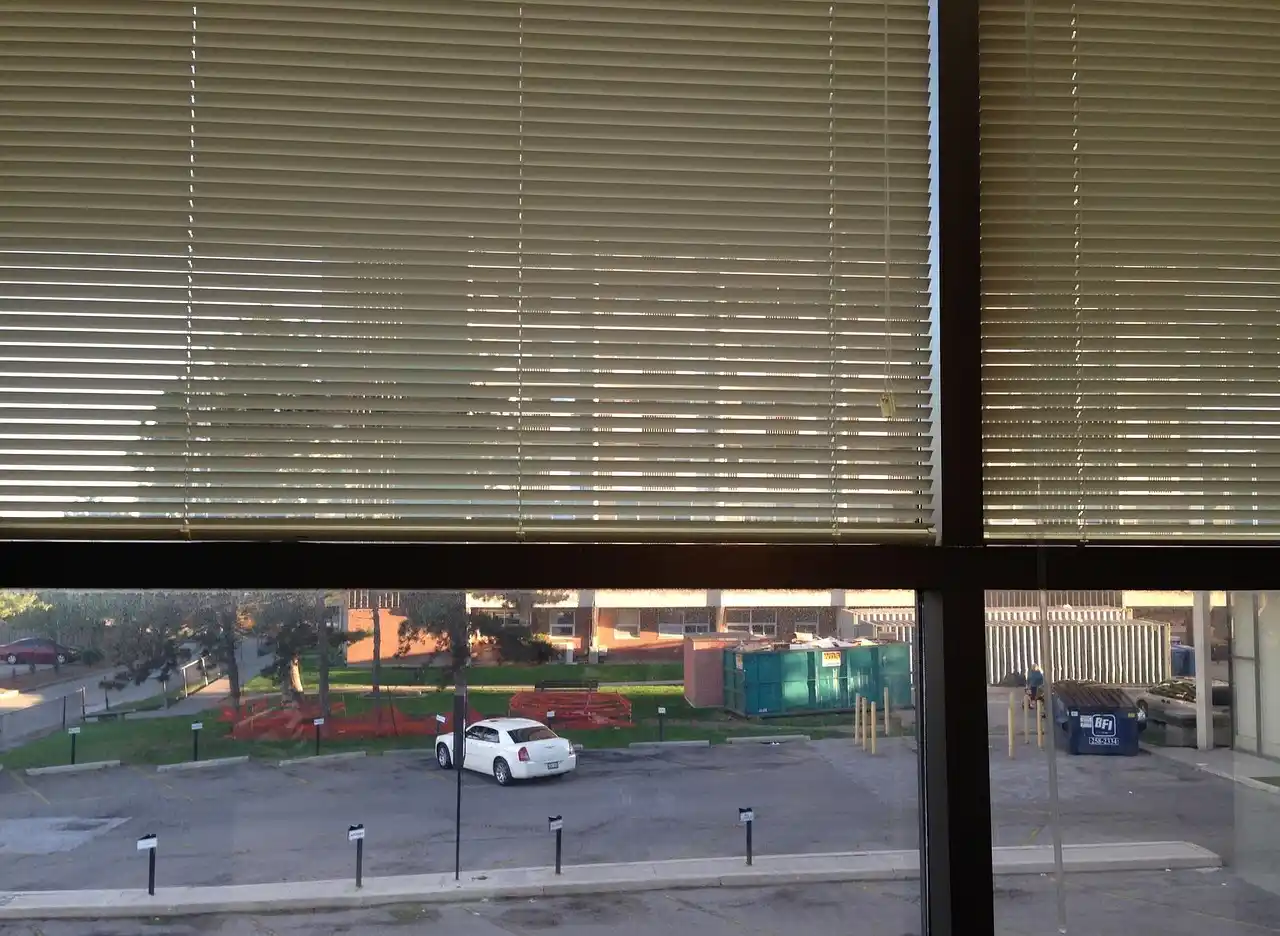
Home window tinting is a practical upgrade for many homes, offering energy savings, UV protection, privacy, and glare reduction. As homeowners seek greater comfort and lower utility costs, understanding film types, installation options, and maintenance is essential. This guide explains what home window tinting is, how it works, the best materials, and how to choose and maintain the right film for your house.
What is home window tinting?
Window tinting involves applying a thin film to the interior of glass surfaces to reduce heat gain, block UV rays, and lower glare. Films come in different densities and finishes and can be installed on single, double, or even triple pane windows. While some DIY kits exist, a professional installation typically yields better adhesion, uniformity, and warranty coverage. Modern films are designed to be durable, stain resistant, and easy to clean, while preserving views and natural light.
Benefits of home window tinting
- Energy savings: Reducing heat transfer lowers cooling loads in summer, helping lower monthly energy bills.
- UV protection: Most reputable films block 99% or more of harmful UV rays, protecting furnishings from fade.
- Glare reduction: Diminished glare improves comfort for indoor work, screens, and recreation without sacrificing daylight.
- Privacy and security: Some films obscure interior views while still allowing visible light; some hold glass together in case of breakage.
- Interior protection: Fewer hot spots and better temperature consistency contribute to overall comfort year-round.
Types of window films
Choosing a film depends on climate, budget, and desired balance between aesthetics and performance. The table compares common options for residential use.
| Film Type | UV Rejection | Heat Rejection | Glare Reduction | Cost | Durability | Ideal Use |
|---|---|---|---|---|---|---|
| Dyed | Moderate | Low to Moderate | Low to Moderate | Low | Moderate | Budget rooms, keeps natural light |
| Metalized | High | High | High | Moderate | High | Solar control, but may interfere with electronics |
| Ceramic | Very High | Very High | Moderate | High | Very High | All-around performance, best value |
| Carbon | High | High | Low | Moderate to High | High | Balanced performance, darker appearance |
| Nano-ceramic | Very High | Very High | Low | High | Very High | Premium energy efficiency, clear views |
Factors to consider when choosing a film
Before selecting a film, assess your goals and home characteristics. Consider climate, window orientation, shading from trees or neighboring buildings, and how much natural light you want to retain. Check warranty terms, the reputation of the installer, and whether the film is certified by industry standards. Request before-and-after photographs and verify that the installer uses proper surface preparation and cleaning methods to avoid bubbles or peeling.
DIY vs professional installation
Do-it-yourself kits can be affordable for small projects, but professional installation offers several advantages. Pros ensure uniform adhesion, precise edge trimming, and a smoother finish. They also handle safety concerns with high-rise or large windows and typically provide a warranty on both film and labor. If you have multiple large windows or complex shapes, a pro installation is usually the smarter choice to maximize performance and longevity.
Costs and return on investment
Prices vary by film type and window size. DIY films may cost from 1 to 3 per square foot, while professional installations often range from 5 to 12 per square foot, depending on film quality and labor. While higher-performance films cost more upfront, the long-term energy savings, reduced fading, and improved comfort can offset the investment within several years, especially in hot climates or sun-drenched rooms.
Maintenance and care
Clean with a soft cloth and a mild, non-ammonia cleaner. Avoid abrasive pads and harsh chemicals that can degrade film and edge seals. Routine dusting helps maintain clarity, and addressing minor bubbles or peeling early with a professional can extend film life. Keep in mind that some films require specific cleaners or care instructions; always follow manufacturer guidelines and the installer’s recommendations.
Regulations, safety, and warranty
Local regulations may limit reflectivity or require permits for certain residential installations. It is wise to verify any rules around tint darkness, especially on street-facing or ground-floor windows. Work with a licensed installer who provides a warranty covering material defects and installation. A reputable installer also ensures proper edge sealing and compatibility with current window frames and weatherproofing to preserve long-term performance.
Conclusion
Conclusion, home window tinting offers tangible benefits in energy savings, UV protection, glare control, and privacy when selected and installed correctly. Identify your climate needs, select a film type aligned with your budget, and choose a qualified professional to ensure lasting results. With careful planning, you can enjoy a more comfortable, protected, and efficient home.