Roofing and Roof Repairs: Expert Guide
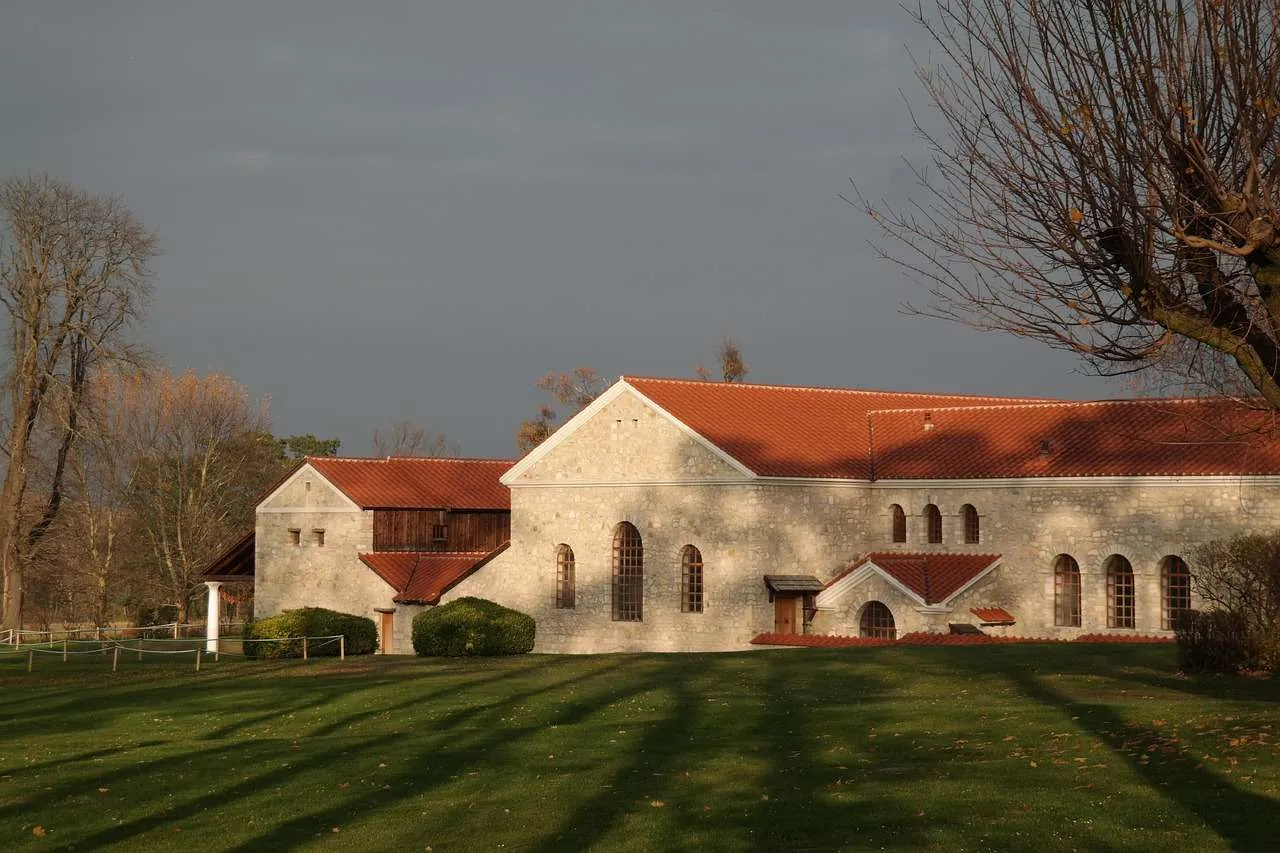
Roofing and roof repairs are essential to protect a home from water damage, temperature fluctuations, and structural wear. This expert guide covers how to assess roof health, understand material choices, decide between repairs and replacement, and hire qualified professionals who meet safety and warranty standards. By following best practices for EEAT—expertise, authoritativeness, and trustworthiness—homeowners can make informed decisions that preserve value and safety.
Assessing the Condition of Your Roof
Early detection saves costs and prevents structural problems. Start with a visual inspection from the ground or with a safe ladder approach, and then confirm findings with a professional inspection. Look for missing, blistered, or curling shingles, granule loss on gutters or downspouts, and signs of leaks inside the attic such as staining, mold, or damp insulation. Visible daylight through attic spaces or around flashing indicates compromised protection. After severe storms, check for dented metal, damaged vents, or displaced sealants. Remember: safety first—avoid climbing on a damaged roof and use binoculars or a professional to inspect steep or recent repairs.
Roofing Materials and Their Lifespans
Material choice shapes longevity, cost, and maintenance needs. Asphalt shingles are common due to low cost and ease of installation, with typical lifespans of 15–30 years. Metal roofs offer durability (40–70 years) and excellent wind resistance but can be noisier and require precise installation. Tile and slate provide long lifespans (50–100+ years) and distinctive aesthetics but are heavier and require structural support. Flat roofs, often seen on modern homes or additions, rely on membrane systems with 15–25 year typical lifespans depending on membrane type and climate. Each material has trade-offs in weight, insulation, energy efficiency, and repair complexity; a qualified roofer can match options to climate, slope, and budget.
Roof Repairs vs. Replacement: A Practical Framework
Deciding between repair and replacement hinges on age, damage extent, and the roof’s current condition. Localized leaks, a handful of damaged shingles, or flashing issues often justify repairs. Widespread water intrusion, extensive shingle loss, or structural rot usually warrants replacement. Cost expectations vary widely by material and roof size. Small repairs may cost a few hundred dollars, while more substantial fixes can reach into the thousands. Replacement commonly ranges from the high thousands to tens of thousands, depending on materials and labor. A cost-benefit approach accounts for lifespan, energy efficiency gains, and warranties. A well-executed repair plan can extend a roof’s life, but failing components will eventually demand replacement.
Hiring a Roofing Contractor: EEAT in Practice
To meet EEAT standards, prioritize contractors who demonstrate licensing, insurance, and a transparent process. Ask for proof of state licensing and current liability and workers’ compensation insurance. Request references and read independent reviews; verify previous projects similar in scope to yours. Obtain written, itemized estimates with material specifications, labor, timelines, and permit responsibilities. Compare warranties on labor and materials, and confirm who handles permit submission. Inquire about safety programs, fall protection, and adherence to local building codes. Look for manufacturer certifications or factory-trained installers, which can indicate higher standards of workmanship. A thorough contract and clear communication reduce dispute risks and protect both parties.
Key Qualifications to Check
- Licensed and insured in your state
- Experience with your roof type and climate
- Proof of workers’ compensation coverage
- Detailed written estimate and project timeline
- Clear warranty terms for both materials and labor
Maintenance and Preventive Care
Preventive maintenance is the most economical way to extend a roof’s life. Clean gutters and downspouts to prevent water backing up under shingles. Remove leaf litter, branches, and debris from the roof surface. Trim overhanging branches to reduce physical damage and moss growth. Ensure proper attic ventilation and insulation to prevent ice dams in cold climates. Address minor issues promptly—like a few loose shingles or flashing gaps—to avoid costly repairs later. Schedule a professional inspection every 3–5 years, or sooner after major storms, to catch problems before they escalate.
Comparison Snapshot: Repair vs. Replacement
| Option | Typical Cost | Lifespan | Best For | Notes |
|---|---|---|---|---|
| Repairs | $300–$1,500 | Depends on damage | Localized leaks, damaged shingles | Preserves existing roof with minimal disruption |
| Replacement | $8,000–$25,000+ | 20–50+ years (material dependent) | Extensive damage, aging roof | Often includes underlayment, flashing, and warranty |
| Preventive Maintenance | $200–$800/year | Extends life | All roofs for longevity | Low-cost upkeep, reduces surprises |
Conclusion
Conclusion, a structured approach to roofing and roof repairs—centering on inspection accuracy, material-aware decisions, and hiring qualified contractors—delivers long-term protection and cost efficiency. When in doubt, rely on licensed professionals who provide clear estimates, solid warranties, and transparent communication. With proper maintenance and timely repairs, your roof will continue to shield your home from the elements for years to come.