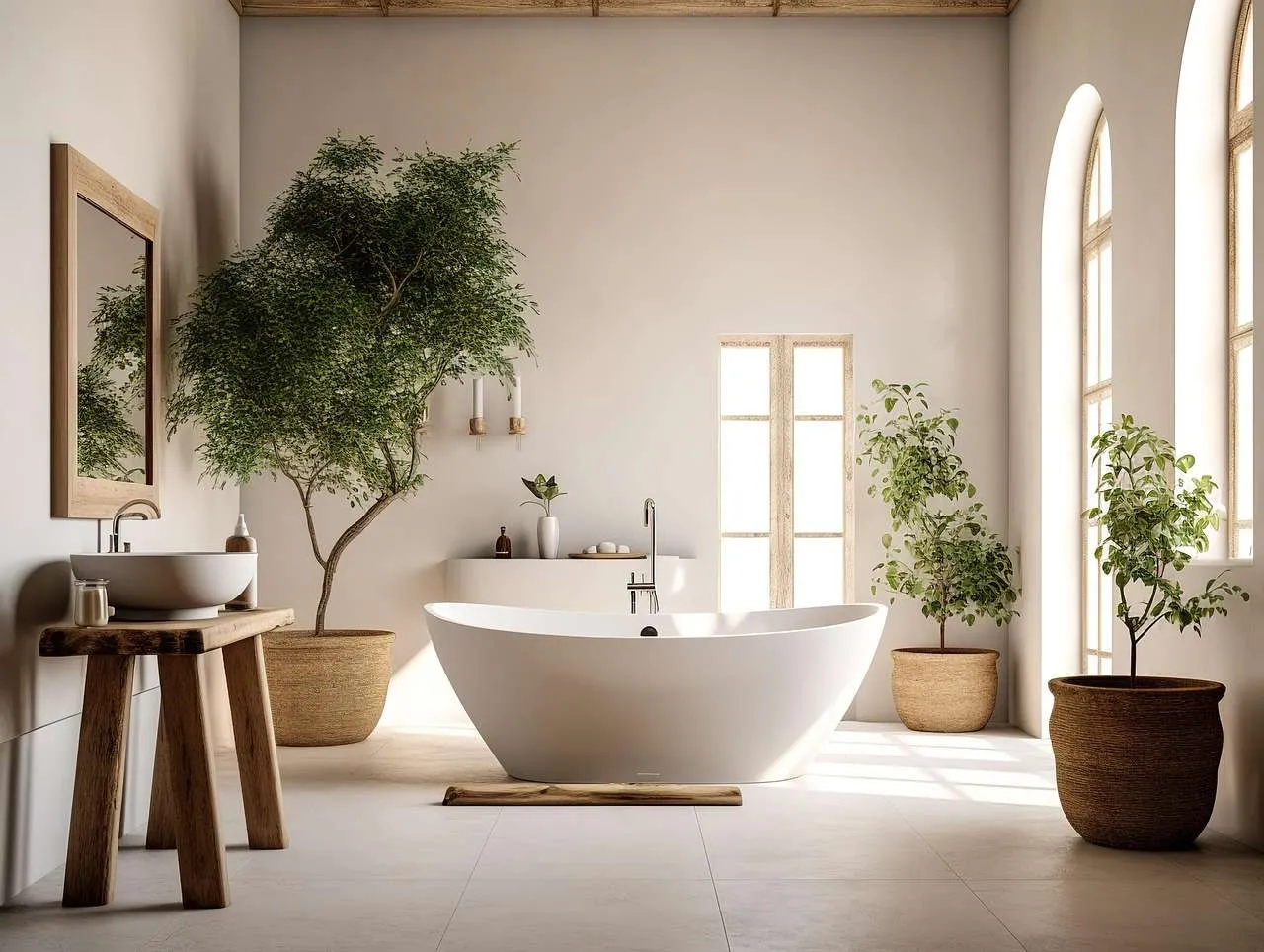
Bathroom Decor: Inspiring Ideas for Every Bathroom
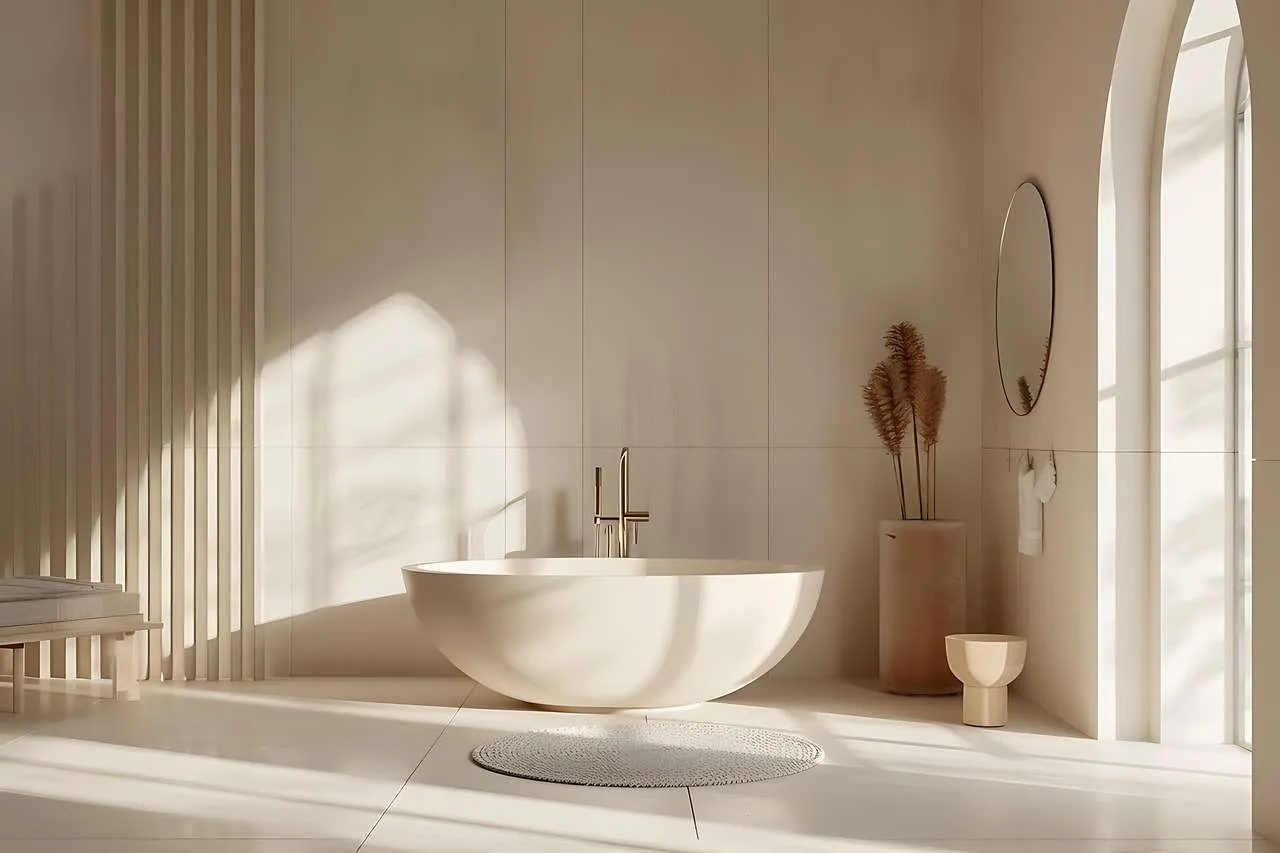
Bathroom decor blends style with function to create a space that supports daily routines while offering a sense of calm and personal expression. A well-planned decor strategy helps transform ordinary bathrooms into durable, easy-to-maintain retreats. In this guide, you will discover practical, expert-backed tips to elevate any bathroom through color, materials, layout, and lighting.
Understanding Bathroom Decor
Bathroom decor is a curated system of color, texture, fixtures, storage, and finishes. It reflects lifestyle needs, such as family safety, skincare routines, and cleaning routines, while keeping the space cohesive with the rest of the home. Effective decor combines timeless elements with small, thoughtful updates that can be refreshed over time without a full renovation.
Design Principles for Every Bathroom
Regardless of size, strong design rests on a few core principles: balance, scale, contrast, and textures. Start with a simple palette, then layer pattern and material to add depth. Use durable materials in wet zones and keep storage accessible to reduce clutter, which instantly makes a bathroom feel more serene and well cared for.
Color Palettes
Soft neutrals such as warm whites, ivory, and greys create a timeless base. Add personality through accent colors like seafoam, sage, or navy in towels, artwork, or accessories. In small bathrooms, light tones help reflect light, making the space feel larger, while a single bold accent can anchor the design without overwhelming it.
Materials and Finishes
Choose materials that balance aesthetics with durability. Porcelain and ceramic tiles resist water and staining, while natural stone adds warmth when sealed properly. Brushed nickel or matte black fixtures offer modern contrast, and glass shower enclosures visually expand the space. For countertops, quartz is low maintenance and long lasting, often preferred in family bathrooms.
Storage and Organization
Smart storage reduces countertop clutter and improves daily routines. Wall-mounted vanities save floor space, while recessed niches in the shower keep toiletries handy but out of the way. Use baskets and clear containers for small items, and install medicine cabinets or mirrors with built-in storage to maintain a clean, streamlined look.
Layout, Flow, and Zoning
Plan layouts that minimize step-over and ensure a logical sequence between sink, toilet, and shower or tub. In small baths, consider pocket or sliding doors, and keep frequently used items within arm's reach from the sink. A clear floor plan reduces visual noise and enhances accessibility for all users.
Lighting and Atmosphere
Layered lighting improves both function and mood. Combine task lighting around the mirror with ambient ceiling light and subtle wall sconces. Incorporate dimmers to adjust brightness for morning routines or spa-like evenings. Good lighting also helps highlight your decor details, from wall color to textures.
Small Bathroom Solutions
In compact spaces, scale is everything. Use a compact vanity, a frameless shower enclosure, and large-format tiles to reduce grout lines and visually open the room. Mirrors that span the width of the wall reflect light and create a sense of space. Remember to prioritize vertical storage to free up counter space.
Budgeting and DIY Tips
Decor upgrades don’t require a full renovation. Start with fresh paint, updated hardware, and new towels and accessories. If you replace tiles, choose peel-and-stick options for a quick update in rental homes. For a longer-term investment, pair durable materials with timeless fixtures to maximize value and minimize maintenance.
Maintenance and Longevity
Seal grout regularly and clean tiles with appropriate solutions to prevent staining. Wipe down fixtures to avoid water spots, and check seals around tubs and showers to prevent leaks. A maintenance plan helps preserve the look and function of your bathroom decor for years.
Trends and Expert Tips
Popular trends include warm metallic fixtures, large-format tiles, and natural textures such as wood-look porcelain. Matte finishes reduce glare in bright bathrooms, while soft, tactile textiles add comfort. Whatever trend you adopt, ensure it aligns with your home’s overall style and your daily needs, and choose quality over fleeting novelty to satisfy EEAT criteria.
Material and Finish Comparison
| Material | Pros | Cons | Best Use |
|---|---|---|---|
| Ceramic Tile | Budget-friendly, versatile patterns | Grout maintenance | Walls and shower surrounds |
| Porcelain Tile | Durable, water-resistant | Can be cold underfoot | Floors in baths with high traffic |
| Natural Stone | Elegant, unique grain | Requires sealing and more maintenance | Select accents and countertops |
| Glass/Shower Enclosures | Creates sense of space, easy to clean | Visible water spots if not treated | Shower partitions |
Implementing an intentional bathroom decor plan increases not only daily comfort but also the resale appeal of your home. By balancing color, materials, lighting, and storage, you create a space that is both inviting and resilient against wear and tear.
Conclusion, a thoughtful approach to bathroom decor yields a space that is cohesive, functional, and timeless. Start with a calming palette, select durable materials, organize with smart storage, and layer lighting to achieve a refined look that lasts.